
The Rising Cost of Energy—and Why Smart Manufacturers Are Switching to VSD Hydraulics Now
Energy is no longer just another operating expense for manufacturers—it’s a strategic variable that influences competitiveness, margins, sustainability targets, and compliance risk. Over the last few years, electricity costs for U.S. industry have trended upward, and leading analysts expect continued pressure as demand grows and grids modernize. Now is the time to break the linear link between production and power consumption. Variable Speed Drive (VSD) hydraulic power units from Green Hydraulic Power (GHP) make that possible—delivering up to 70% energy savings, longer equipment life, significant noise/heat reduction, and retrofit-friendly integration for existing lines. (GHP product capability)
Why energy costs are rising—and staying volatile
Several forces are driving sustained upward pressure on retail electricity prices, even as wholesale markets saw some relief in 2024:
Retail electricity prices have risen faster than inflation since 2022, and the U.S. Energy Information Administration (EIA) expects increases to continue through 2026. Grid investments, distribution upgrades, and regional dynamics mean some high-cost regions are likely to see even larger increases than the national average. [eia.gov]
Wholesale prices fell in 2024 thanks to historically low natural gas prices and more renewable/battery capacity, but this doesn’t immediately translate to lower retail rates because retail bills include generation, transmission, distribution, taxes, and fees. [eia.gov]
Demand is rising again after a decade of relative stagnation—driven by industrial/commercial loads (data centers, electrified processes) and population/weather factors. EIA’s Short-Term Energy Outlook (STEO) projects electricity sales growth in 2025–2026, with some regions (e.g., ERCOT/West South Central) seeing outsized increases. [eia.gov], [eia.gov]
Global context matters: The International Energy Agency (IEA) reports that while wholesale electricity prices declined ~20% in many regions in 2024, volatility persists and prices remain above pre‑COVID levels in much of the world. [iea.org]
Bottom line: Retail rates for industrial customers aren’t likely to meaningfully drop in the near term; structural drivers (grid upgrades, reliability investments, rising demand) point to continued pressure and regional variability. [eia.gov]
What the latest numbers say (and what they mean for your plant)
U.S. industrial electricity prices averaged ~8.3¢/kWh in 2023, slightly dipped to ~8.15¢/kWh in 2024, and increased to ~9.02¢/kWh by September 2025 (monthly average revenue per kWh). Even small movements at scale translate to material OPEX changes for high-duty-cycle equipment. [statista.com], [eia.gov]
Chart: U.S. Industrial Electricity Price Trend (2023–2025)
(Data sources: Statista for 2023–2024 U.S. industrial averages; EIA Electric Power Monthly for September 2025 industrial average revenue per kWh.) [statista.com], [eia.gov]
For manufacturers in higher-cost states—like California—these national averages can understate reality. EIA’s monthly tables routinely show California among the highest average retail revenue per kWh, especially for residential and commercial sectors; industrial rates also sit above national norms. [us-prod.as...rosoft.com]
The future of energy costs: efficiency is your risk hedge
EIA expects retail electricity prices to continue increasing through 2026, outpacing inflation in many areas as utilities invest in grid reliability and modernization. At the same time, electricity demand from industrial/commercial loads (including data centers and electrified processes) is forecast to grow—creating two-sided pressure on costs. [eia.gov], [eia.gov]
Global analyses by the IEA echo this: electricity demand growth is accelerating, electrification is rising across sectors, and markets are experiencing more frequent negative price episodes (a symptom of flexibility gaps)—all of which underscores the need for demand-side flexibility and efficiency on the customer side. [eia.gov], [iea.org]
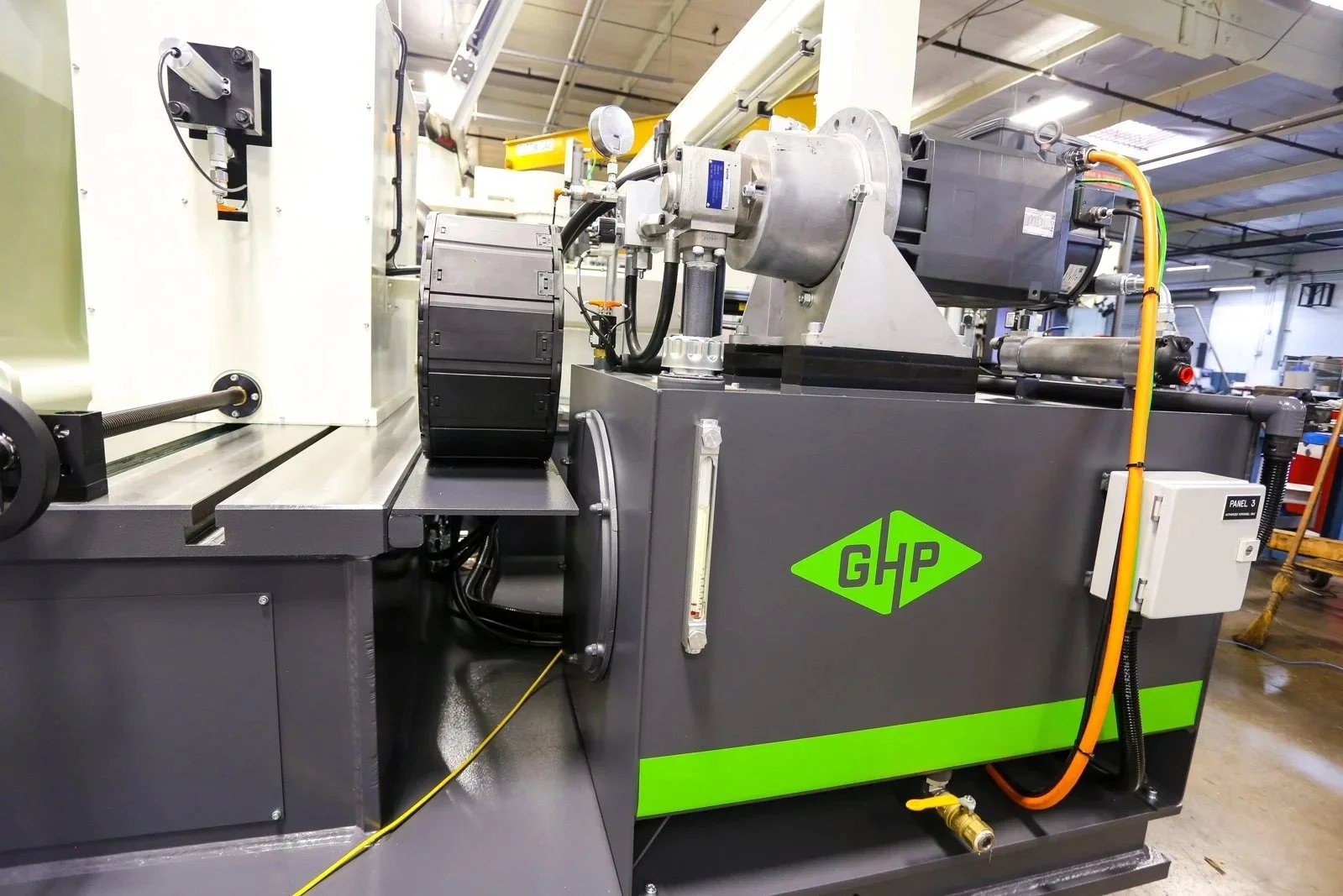
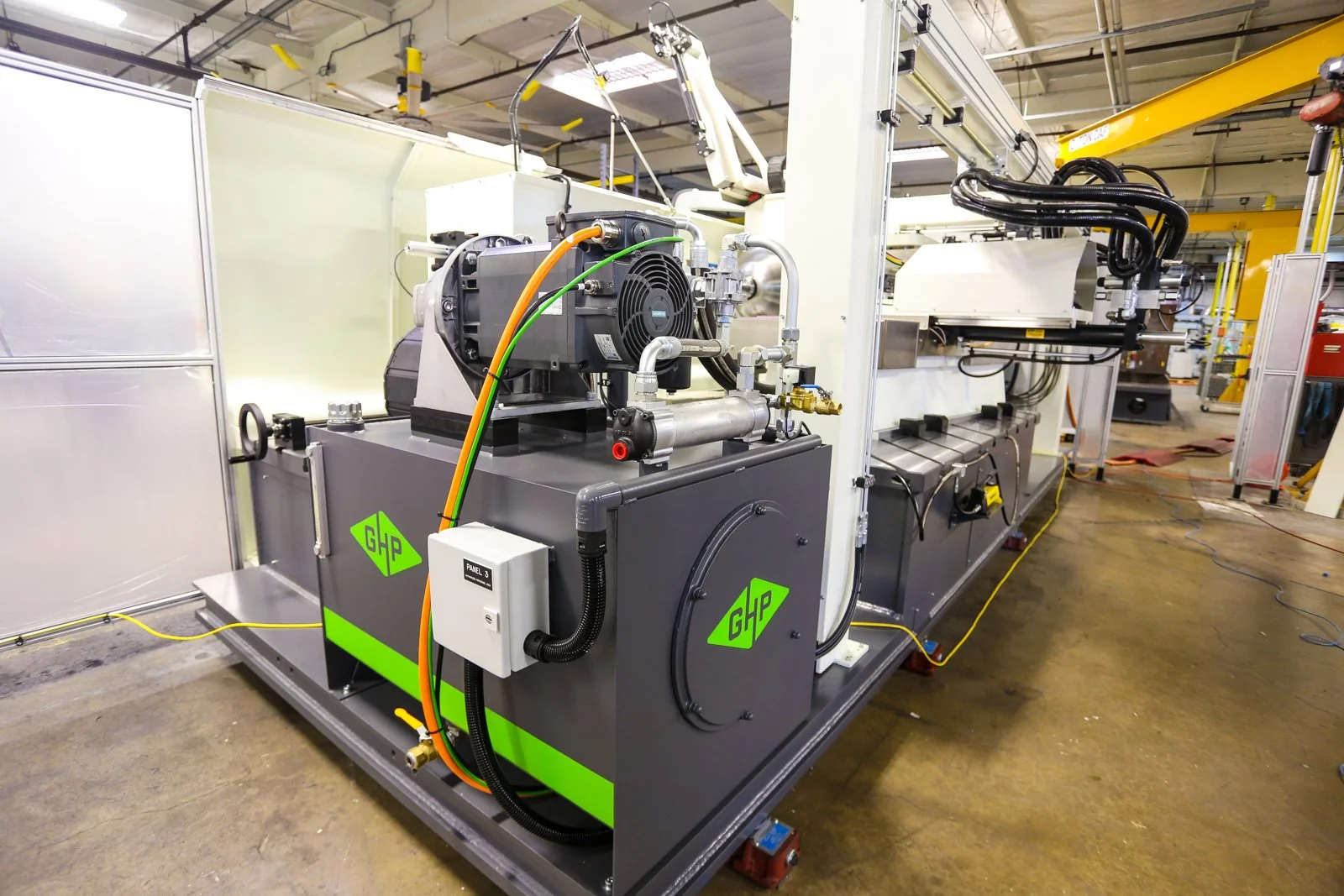
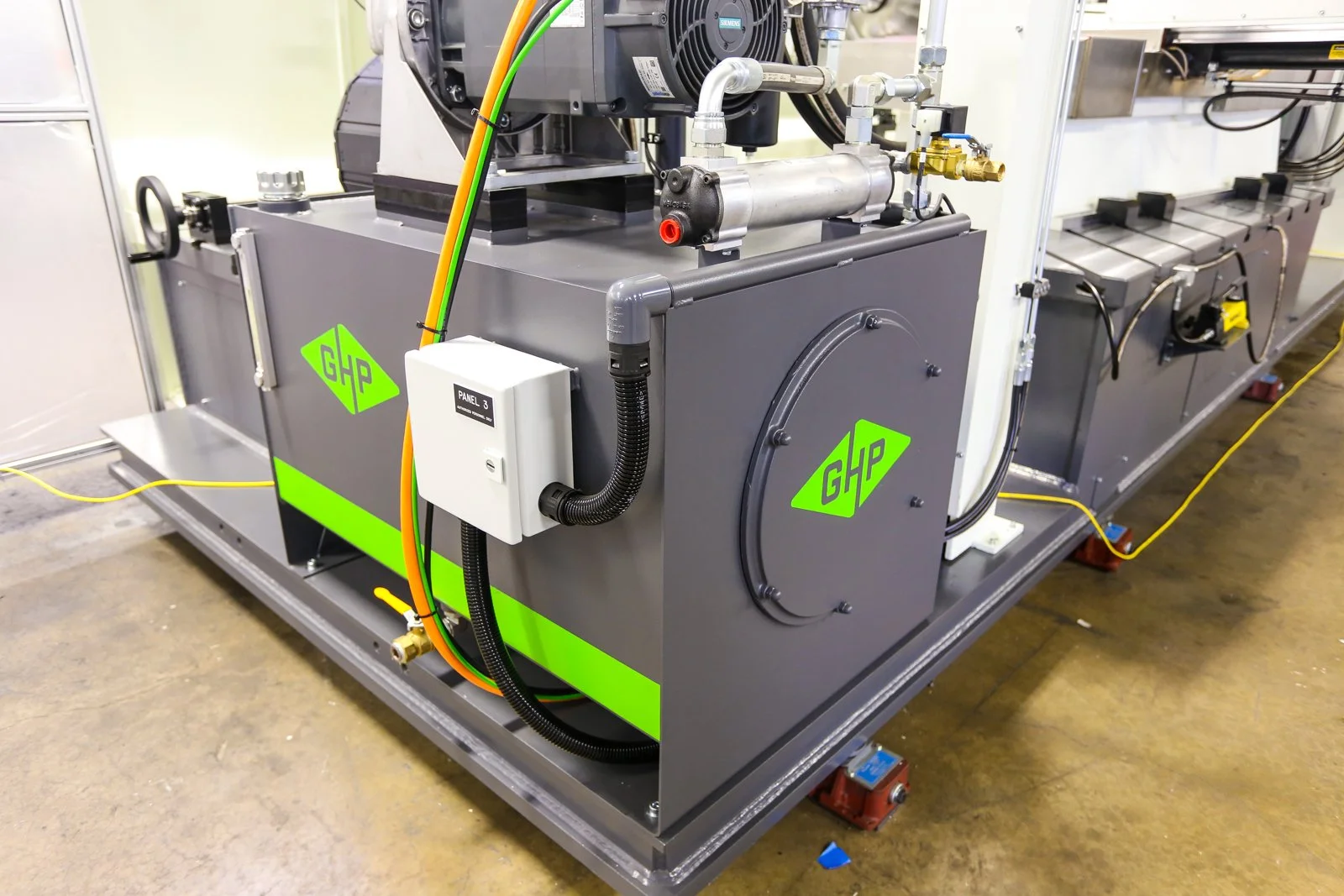
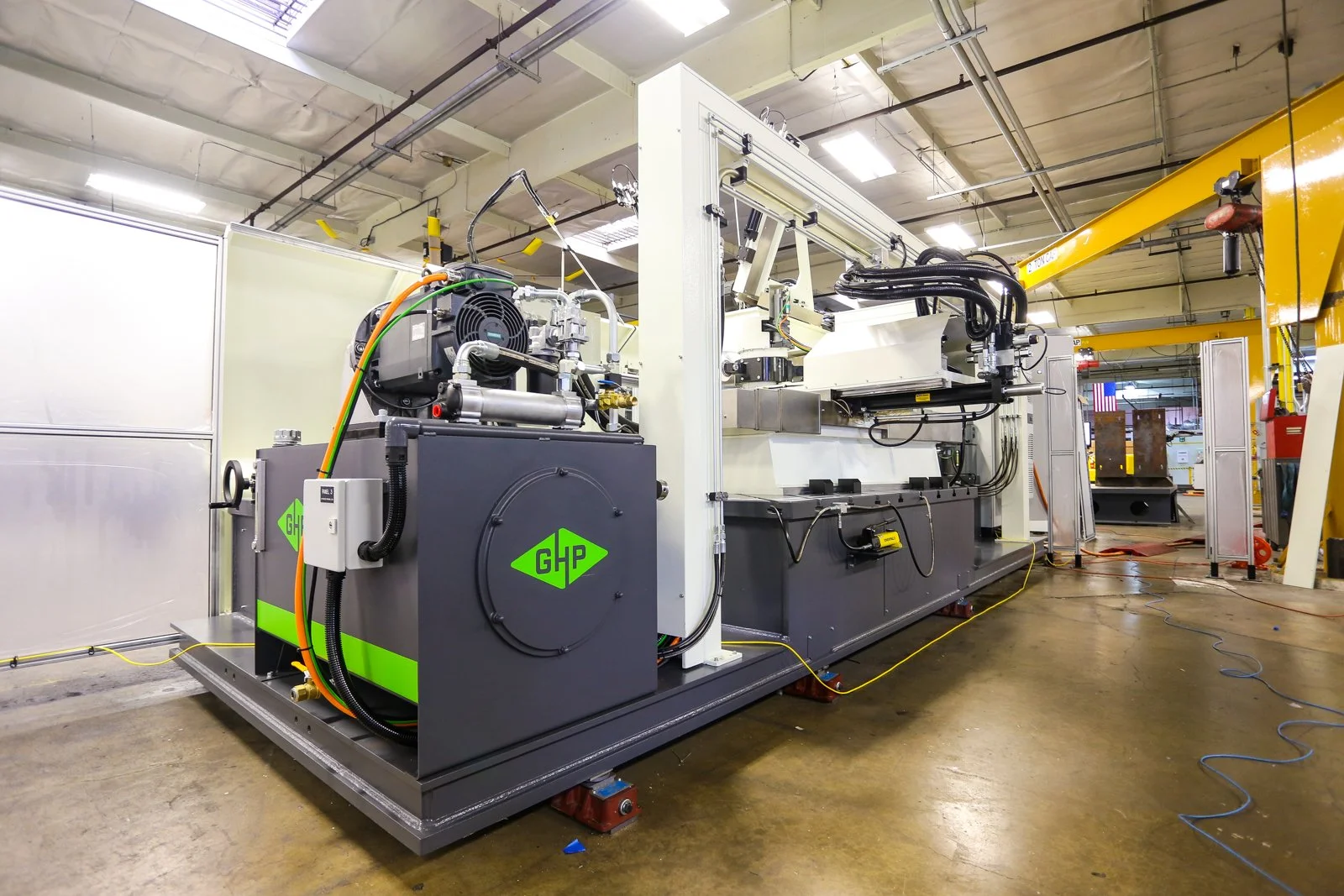
Translation for plant managers: You can’t control rate cases, weather, or geopolitics—but you can control load, improve load following, and cut avoidable consumption. That is precisely what VSD hydraulic systems do.
How GHP’s VSD hydraulics neutralize energy volatility
If you operate CNCs, hydraulic presses, robotic assembly, metal fabrication, or packaging lines, your hydraulic power units (HPUs) are a prime lever for savings. Traditional fixed-speed HPUs burn power continuously—regardless of instantaneous demand. VSD HPUs modulate motor speed to match real hydraulic load, delivering substantial reductions in kWh during idle/low-load periods.
With Green Hydraulic Power (GHP) systems, you get:
Up to 70% energy reduction
By matching motor speed to actual demand, VSD units eliminate waste during dwell and low-load cycles—cutting energy bills and insulating you from rate volatility. (GHP product capability)
Improved equipment longevity
Lower thermal stress and smoother acceleration profiles reduce wear on motors, pumps, seals, and valves; fewer breakdowns and lower maintenance costs follow. (GHP product capability)
Lower noise and heat
VSD units run quieter and cooler, improving operator comfort and helping downstream equipment perform more consistently. (GHP product capability)
Retrofit-ready integration
GHP units are drop-in retrofits for most legacy lines. Minimal disruption, fast commissioning, immediate payback. (GHP product capability)
A strategic bonus: As ESG disclosure and carbon accounting tighten, documented reductions in electricity consumption directly support sustainability reporting and compliance readiness—while cost savings improve margins. (Context reinforced by retail price trends and demand growth) [eia.gov], [eia.gov]
A quick, practical ROI frame for CFOs and plant leaders
Say your press line’s HPU draws an average of 75 kWh per hour across two shifts. At 9.02¢/kWh (Sept 2025 industrial average revenue), that’s $6.77/hour; across 5,000 hours/year, $33,850/year—for just one HPU. If a VSD retrofit cuts consumption by 50–70%, your savings could range from $16,900 to $23,700 per year, per unit—before factoring maintenance and productivity gains. [eia.gov]
Scale that across multiple lines or plants and the payback window tightens even further. (Actual savings vary by duty cycle and hydraulic demand profile; GHP provides measured baselines and post‑retrofit verification.)
Regional nuance: why West Coast manufacturers feel it more
On the West Coast—especially California—industrial users often face higher average retail revenue per kWh than national levels, and time‑of‑use pricing magnifies the cost of poor load control during on‑peak windows. EIA’s monthly tables highlight this regional spread, and California’s ongoing grid investments and tariff complexity add to planning uncertainty. Efficiency measures that eliminate on‑peak waste deliver outsized returns in these conditions. [us-prod.as...rosoft.com]
Your roadmap: cut energy 30–70% in hydraulics within this quarter
Meter and map: Log HPU load profiles (kW and kWh) across shifts to quantify idle/low‑load time. (GHP can assist.)
Target candidates: Prioritize presses and lines with long dwell periods or fluctuating demand.
Retrofit VSD HPUs: Install GHP units; integrate with existing controls; validate via post‑install M&V.
Report & reinvest: Book the savings; reflect in ESG reporting and reinvest in further efficiency.
Conclusion: Future‑proof your operation with load‑adaptive hydraulics
Electricity price dynamics are complex, but one thing is simple: the cheapest kWh is the one you don’t use. With retail prices rising faster than inflation since 2022 and demand set to grow through 2026, manufacturers that act now will gain a durable cost advantage—and strengthen sustainability and compliance positions. Green Hydraulic Power’s VSD hydraulic power units are a proven, affordable path to real results—today. [eia.gov], [eia.gov]
Ready to cut energy use by up to 70% on your hydraulic systems and lock in a fast ROI?
Book a free energy audit of your HPUs with GHP.
Get a retrofit plan tailored to your CNCs, presses, and automation lines.
Start saving within weeks—with documented M&V and support from a U.S.-made solutions partner in Huntington Beach.
SEO Keywords
industrial energy costs, manufacturing electricity prices, variable speed drive hydraulic power unit, VSD hydraulics retrofit, energy efficiency in manufacturing, GHP Green Hydraulic Power, California industrial electricity rates, shop floor noise reduction, sustainability and ESG manufacturing, hydraulic press energy savings
Meta Description (≤155 chars)
Rising electricity costs threaten margins. See why VSD hydraulic power units from GHP cut energy up to 70%, reduce noise/heat, and future‑proof operations.
Downloadable chart
U.S. Industrial Electricity Price Trend (2023–2025)
Download PNG
Sources: Statista (industrial averages 2023–2024); EIA Electric Power Monthly (industrial average revenue per kWh, Sept 2025). [statista.com], [eia.gov]
Sources & Further Reading
EIA – Today in Energy: Retail electricity prices have increased faster than inflation since 2022; expected to keep rising through 2026. [eia.gov]
EIA – Short‑Term Energy Outlook: 2025–2026 electricity sales growth and regional dynamics (ERCOT). [eia.gov]
EIA – In Brief: U.S. electricity consumption is rising again; industrial/commercial sectors lead growth. [eia.gov]
EIA – Wholesale prices (2024): Lower and less volatile due to low gas prices and more renewables/batteries; retail impacts differ. [eia.gov]
EIA – Electric Power Monthly: State/sector average prices by month (includes industrial). [us-prod.as...rosoft.com]
Statista: U.S. industrial retail electricity price trend (1970–2025; values referenced for 2023–2024). [statista.com]
IEA – Electricity 2025 / Prices: Global wholesale price declines in 2024; volatility and flexibility needs persist. [iea.org]
IEA – Electricity 2024 Executive Summary: Demand growth expected to accelerate through 2026, driven by electrification and data centers.