
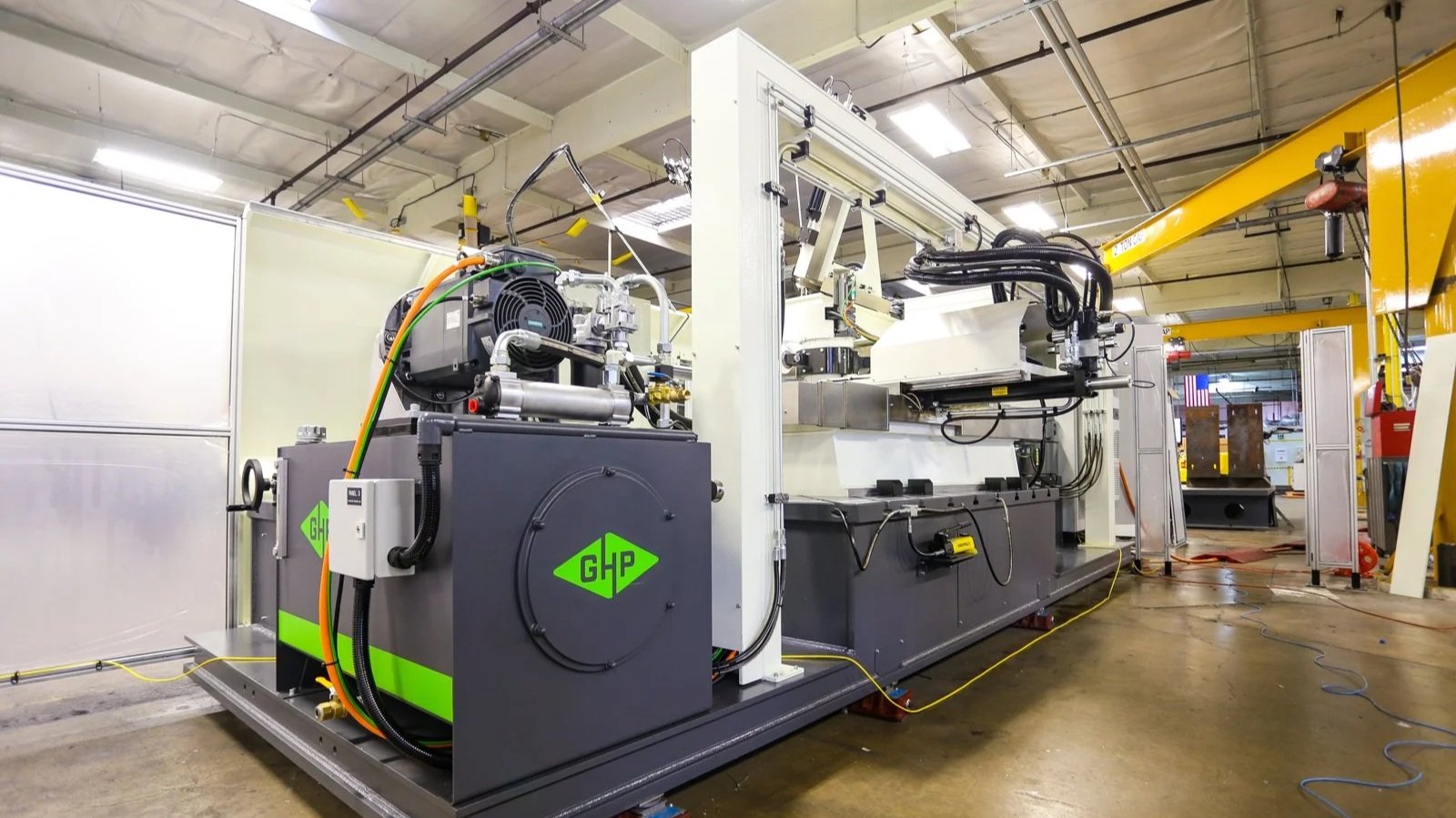
How Variable Speed Makes Hydraulics Better
Fixed-speed motors spin at constant RPM regardless of demand, consuming excess energy during idle and partial load, producing unnecessary noise and heat. GHP’s variable-speed approach solves this by continuously matching motor speed—and therefore pump flow and torque—to real-time system needs.
The Hidden Cost of Fixed-Speed HPUs
-
Constant RPM means constant energy draw—even when flow demand is low
-
Excess energy turns into heat, raising fluid temperature and stressing components
-
High idle noise impacts operator comfort and safety
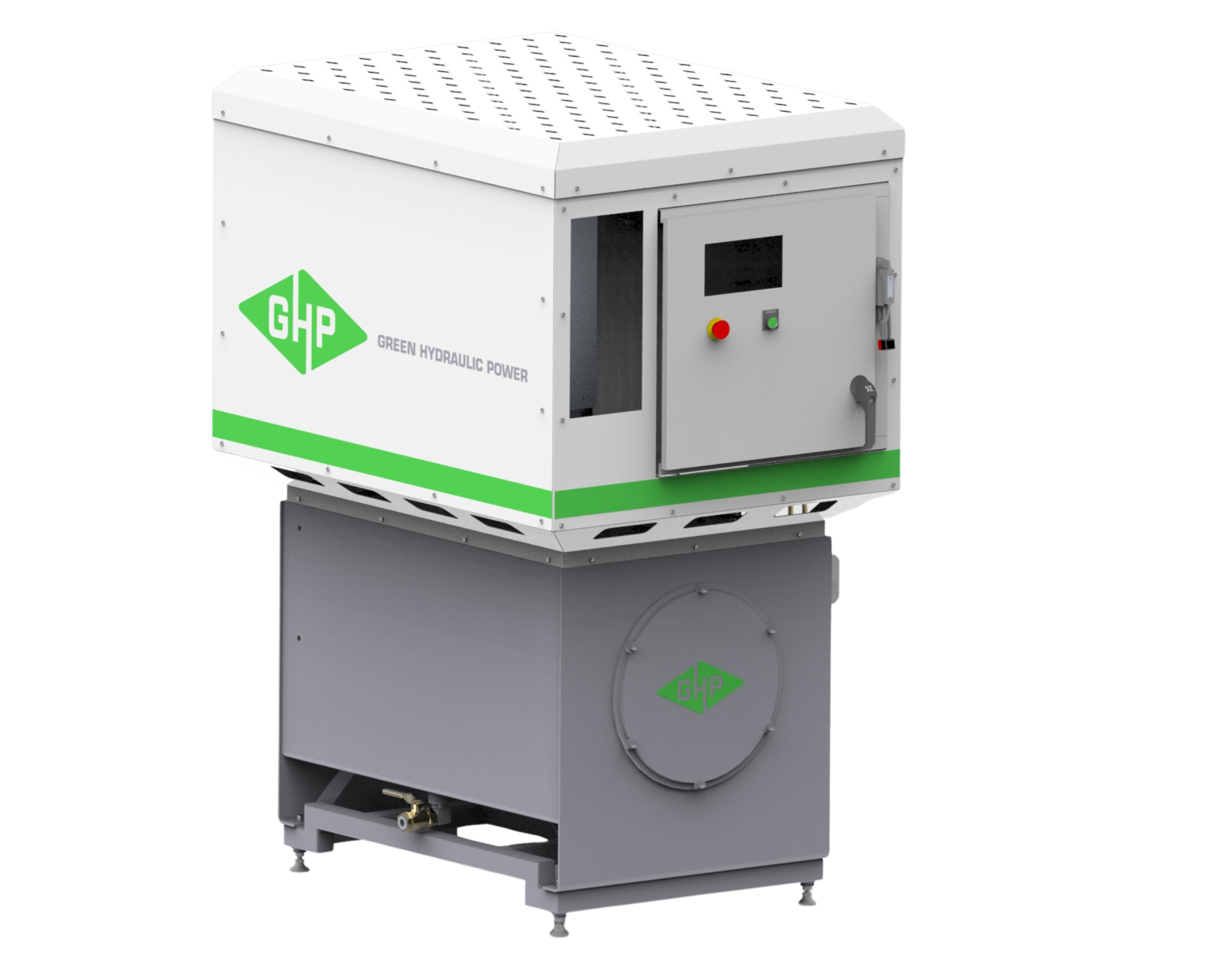
Motor + Drive + Sensors + Controls
— Working Together
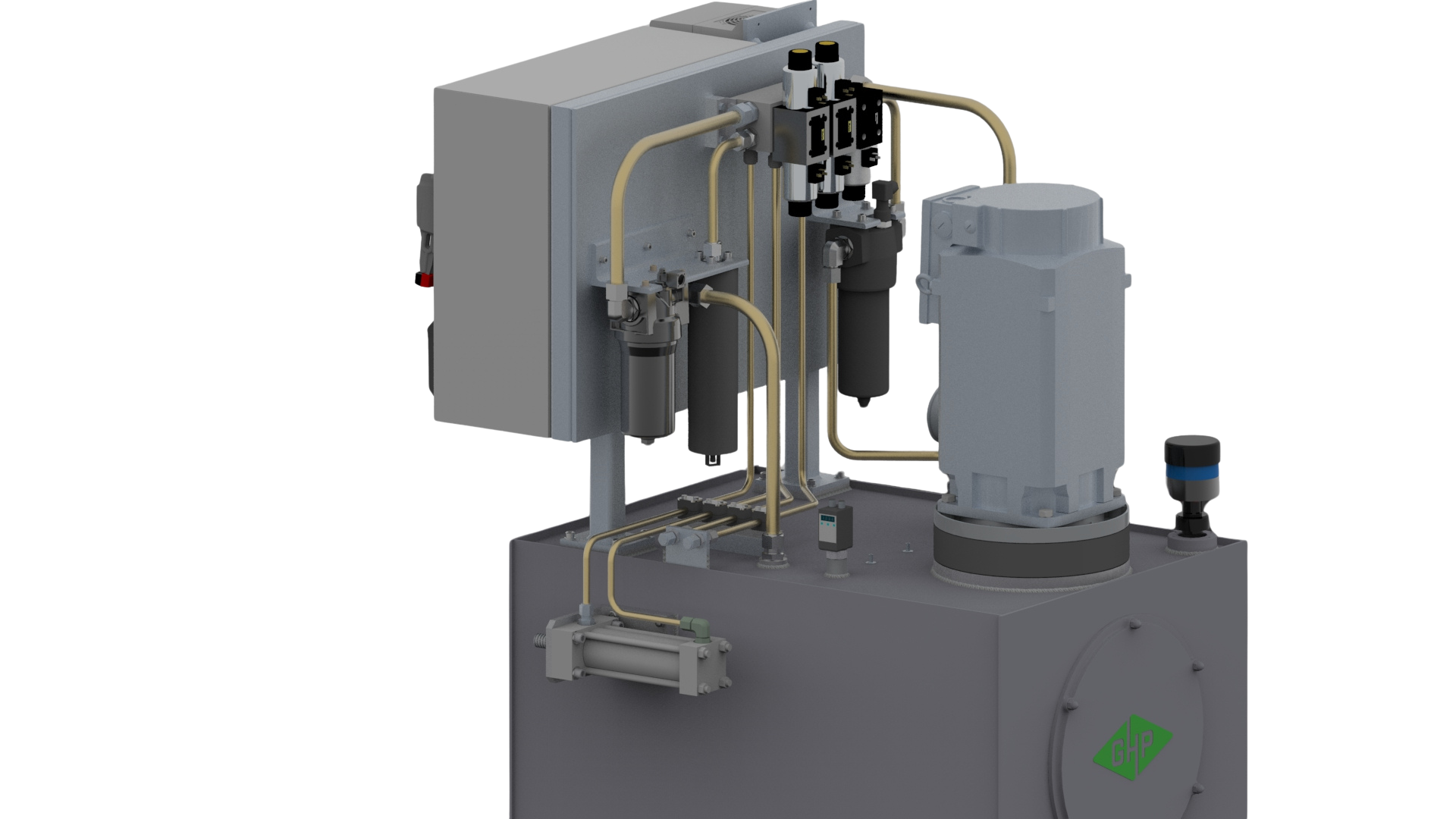
THE GHP APPROACH
The drive listens.
The motor responds.
The pump delivers only what the system needs.
-
Variable Frequency Drive:
Adjusts motor RPM in real time based on demand
-
Smart Sensors:
Pressure, temperature, and flow inputs feed control logic
-
Control Algorithms:
Optimize speed/torque for stability and responsiveness
-
Hydraulic Integration:
Delivers exact flow and pressure, reducing overconsumption and heat
Immediate Differences on the Plant Floor
-

Energy:
Demand-matched kWh and fewer peak demand charges
-

Noise:
Lower RPM at idle/partial load significantly reduces dB
-

Heat:
Cooler reservoirs, longer oil life, fewer leaks
-

Control:
Smoother ramps and stable pressure profiles improve quality
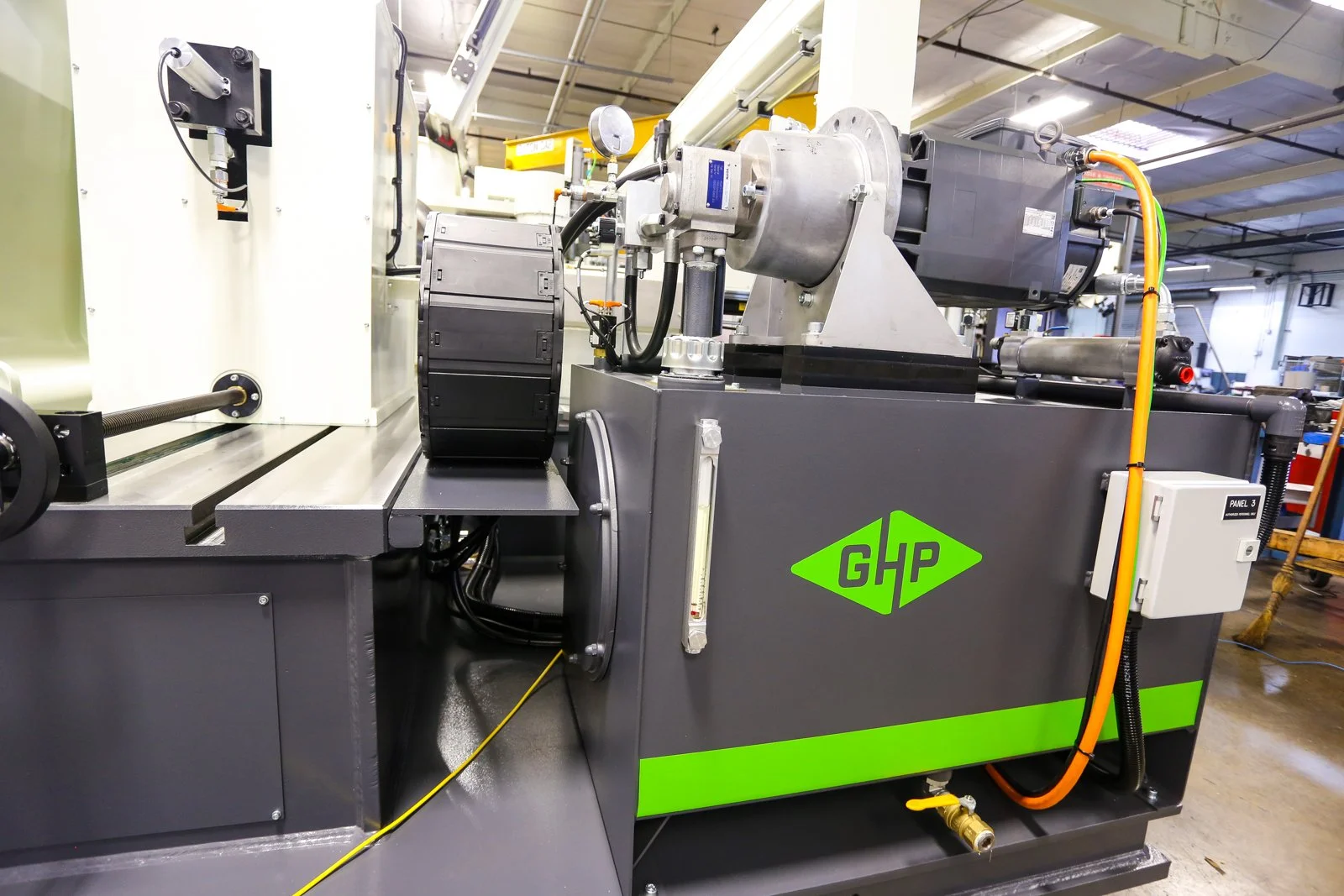
Easy to Integrate with Your Controls
-
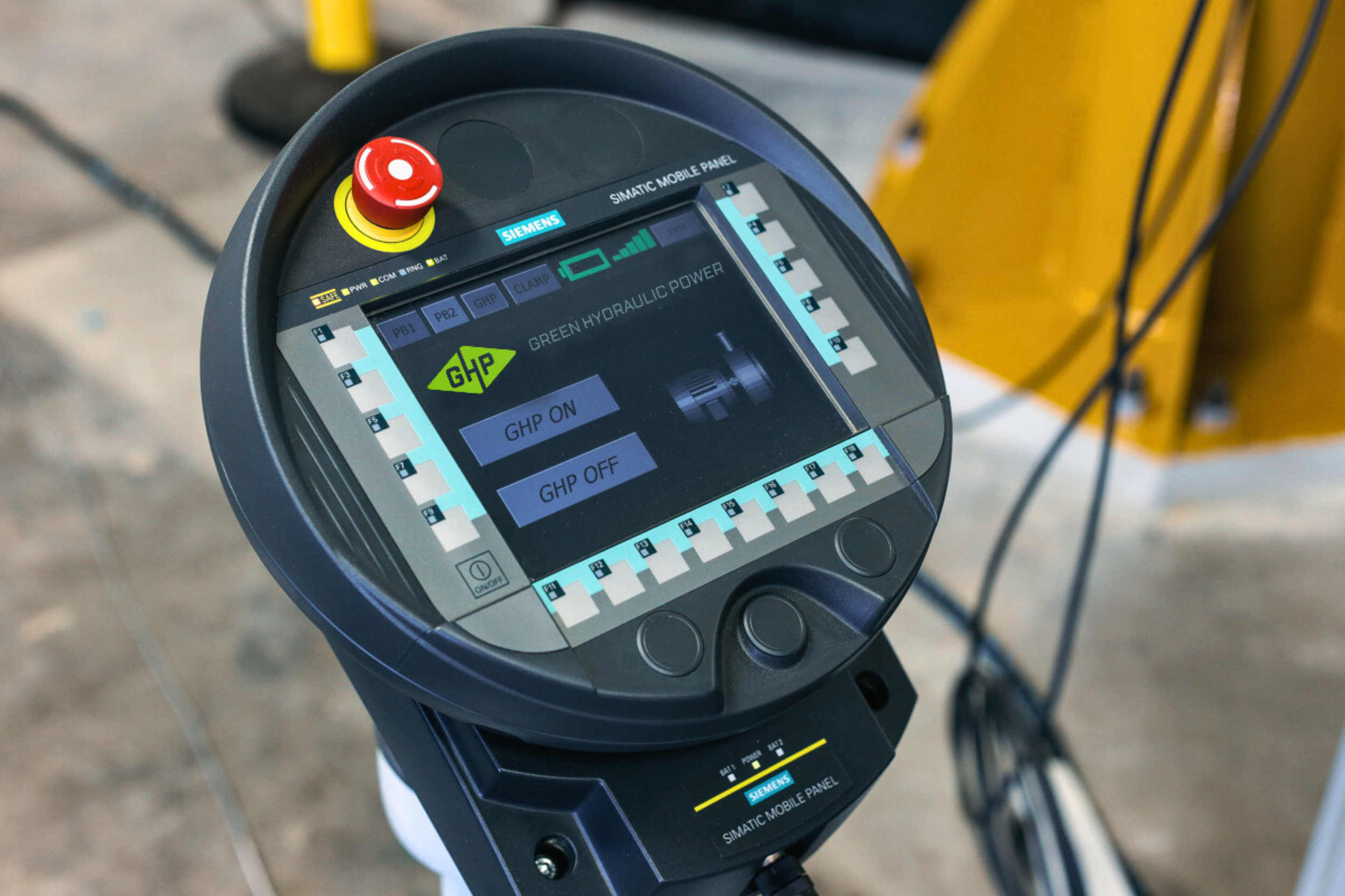
PLC/HMI-friendly
-
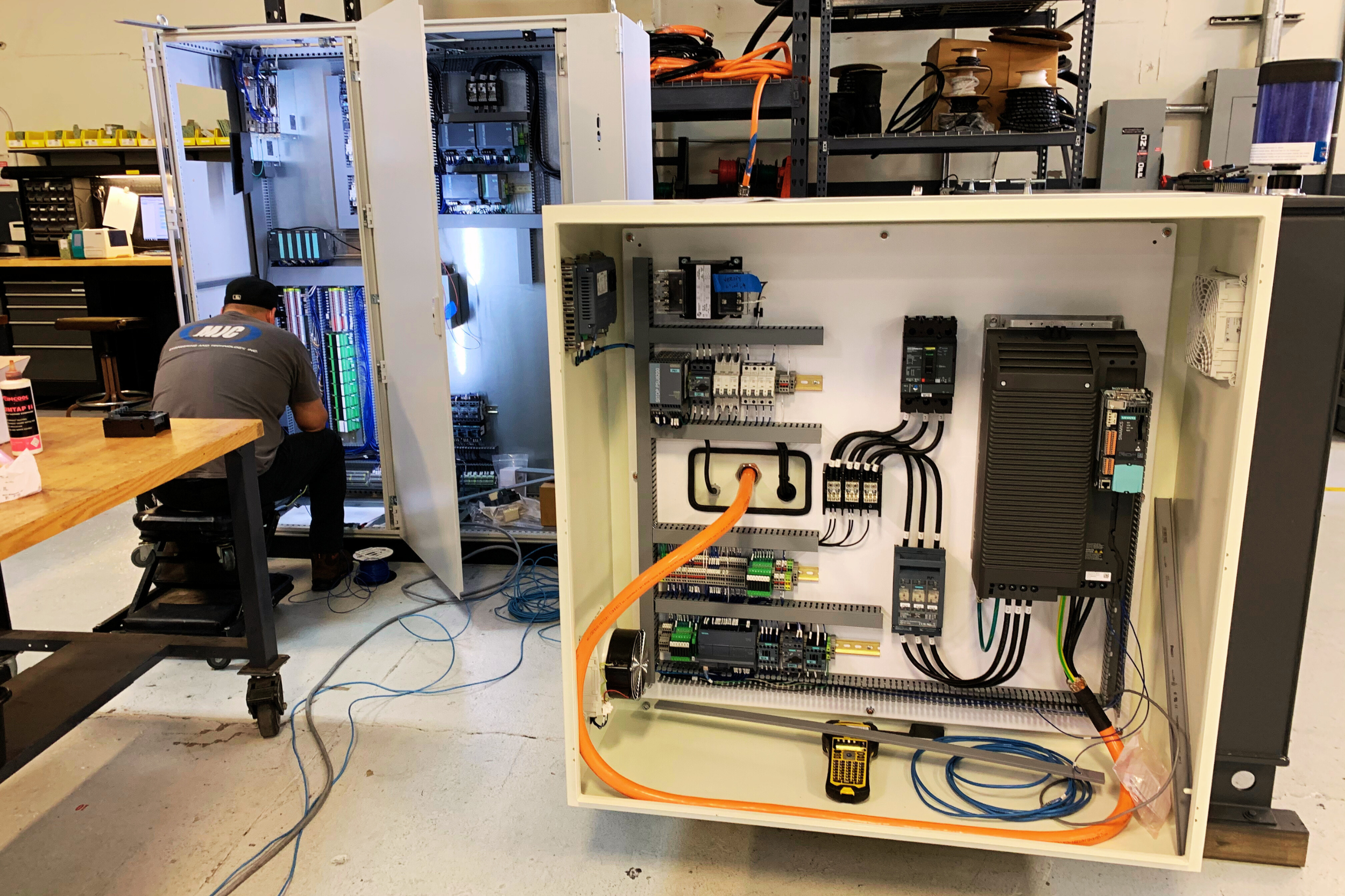
Electrical and mechanical fit-up support
-
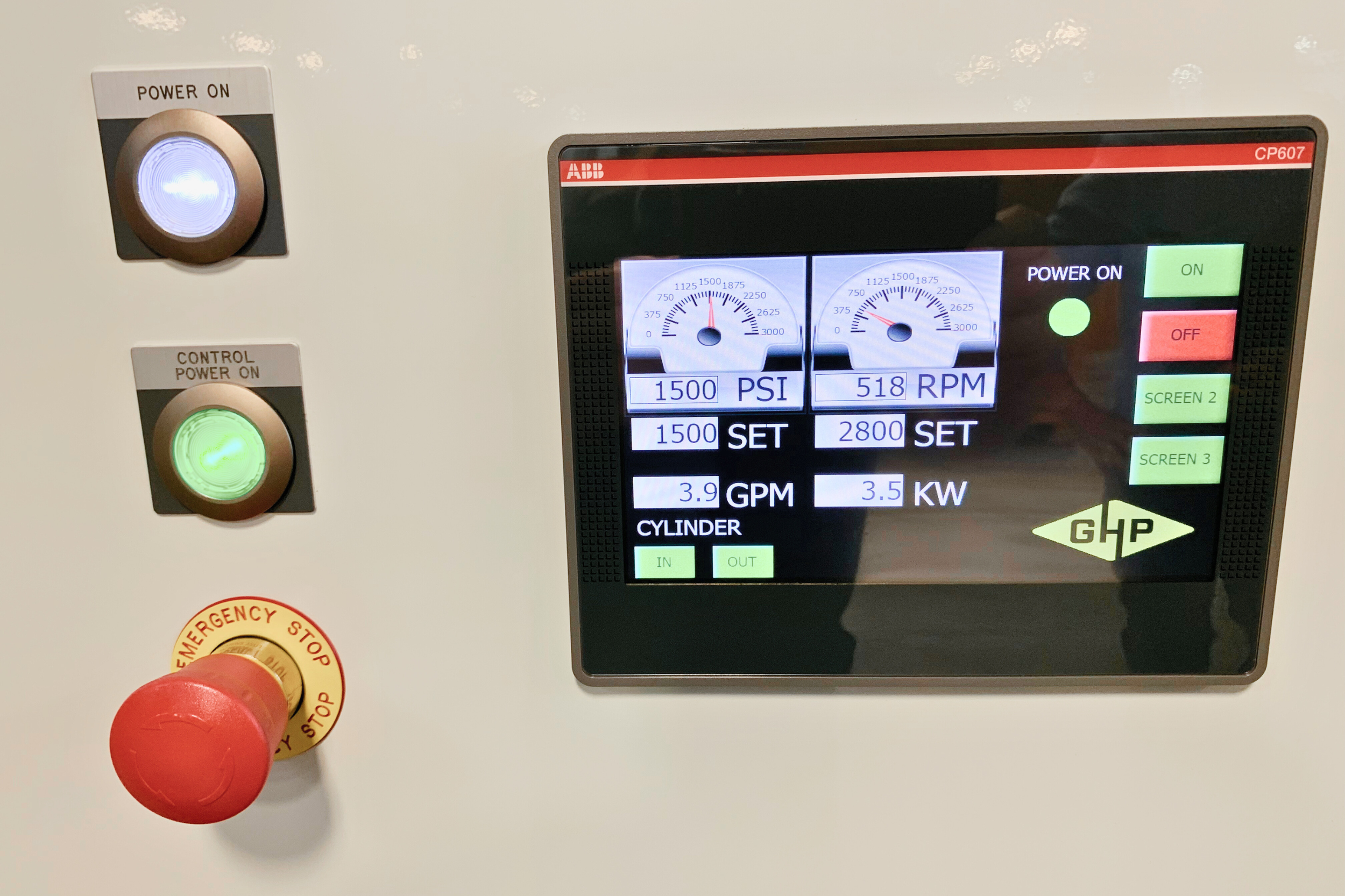
Data visibility for maintenance and sustainability reporting
Frequently Asked Questions
-
No. Controls continuously maintain target pressure and flow, with fast response to transients.
-
In most cases, yes. We assess motor/pump sizing, duty cycle, and control integration to recommend the right path.
-
Depends on hours, utility rates, and duty cycles. Many projects reach payback in [X–Y months].
-
You can reach us anytime via our contact page or email. We aim to respond quickly—usually within one business day.
-
We offer flexible pricing based on project type and complexity. After an initial conversation, we’ll provide a transparent quote with no hidden costs.
-
Collaborative, honest, and straightforward. We're here to guide the process, bring ideas to the table, and keep things moving.